Clinical Evidence
Clinical evidence is essential, and we understand that meaningful clinical outcomes are paramount to delivering exceptional patient care. Across multiple published studies, the aprevo® platform has demonstrated improved surgical outcomes compared to the standard of care in both degenerative lumbar disease and adult spinal deformity. Any comparisons to stock implant outcomes presented on this page are based on previously published or separately reported clinical data rather than direct head-to-head studies.
74% Reduction in 2-Year Reoperation Rates
Published clinical evidence demonstrates that 3D preoperative planning combined with patient-specific, anatomically designed interbody implants significantly reduces mechanical complication–related reoperations in complex adult spinal deformity (ASD) surgery.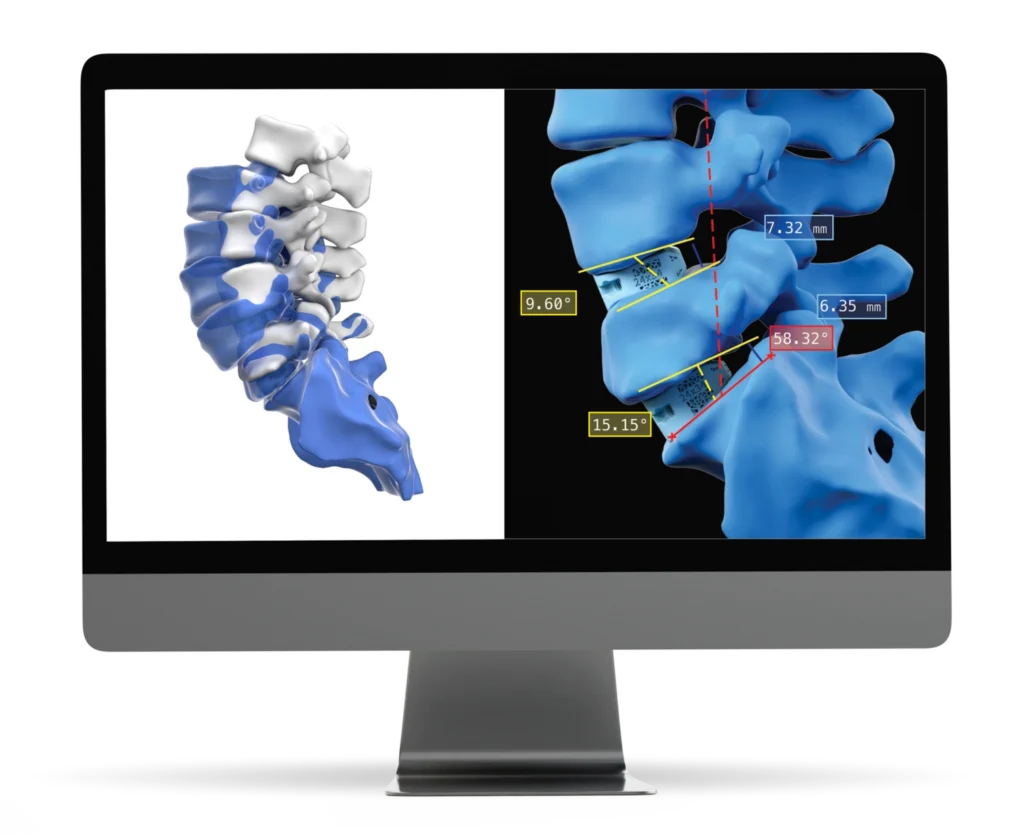
In one such study, ASD patients treated with aprevo® experienced significantly fewer revisions due to mechanical complications when compared to previously published results from a large matched cohort treated using stock devices, with a revision rate of 4.3% (n = 115) vs 16.6% (n = 997) (P < 0.001), representing a 74% relative reduction.1
Published in Global Spine Journal
Personalized Spine Surgery in Adult Deformity: Reoperation Rates and Mechanical Complications Following Customized Planning and Interbody Implant Use
Improved Alignment Restoration in Degenerative Cases:
73% of COMPASS™ Registry patients (n = 90) with low distal lumbar lordosis (DLL) restored to normal DLL ≥35° and zero revisions with median 20-month follow-up, compared to previously reported 10% restoration with stock implants.2
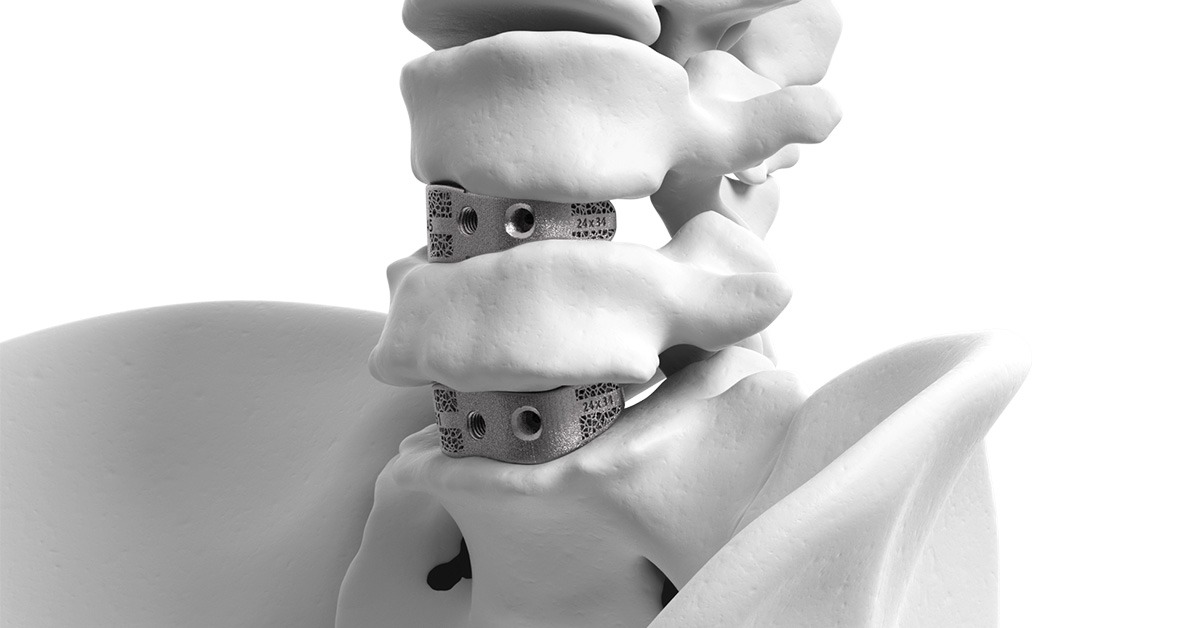
Predictable Intervertebral Alignment:
In 217 patients with 365 treated levels, 82% of personalized aprevo® interbody levels achieved targeted alignment within 5°.3
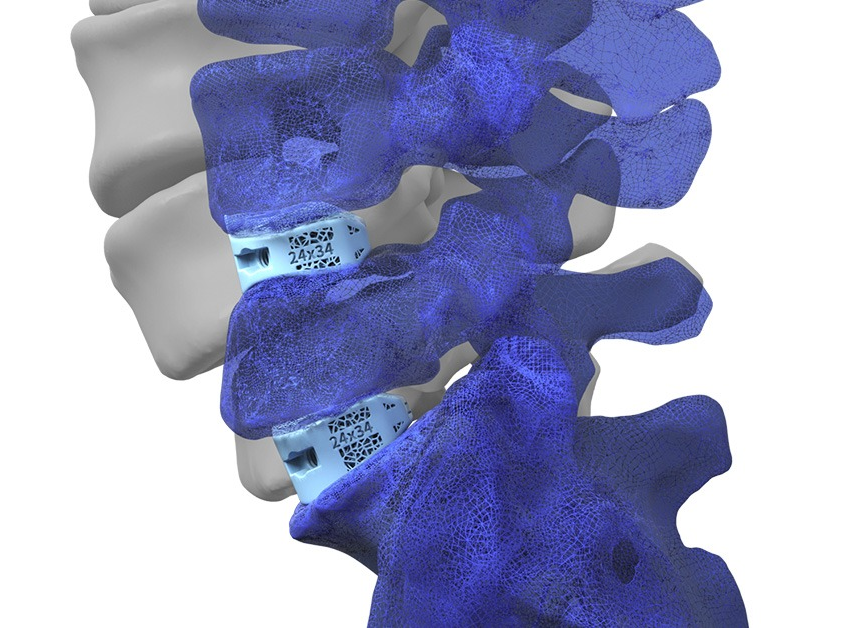
Improved Lordosis Distribution in Short Fusion Cases:
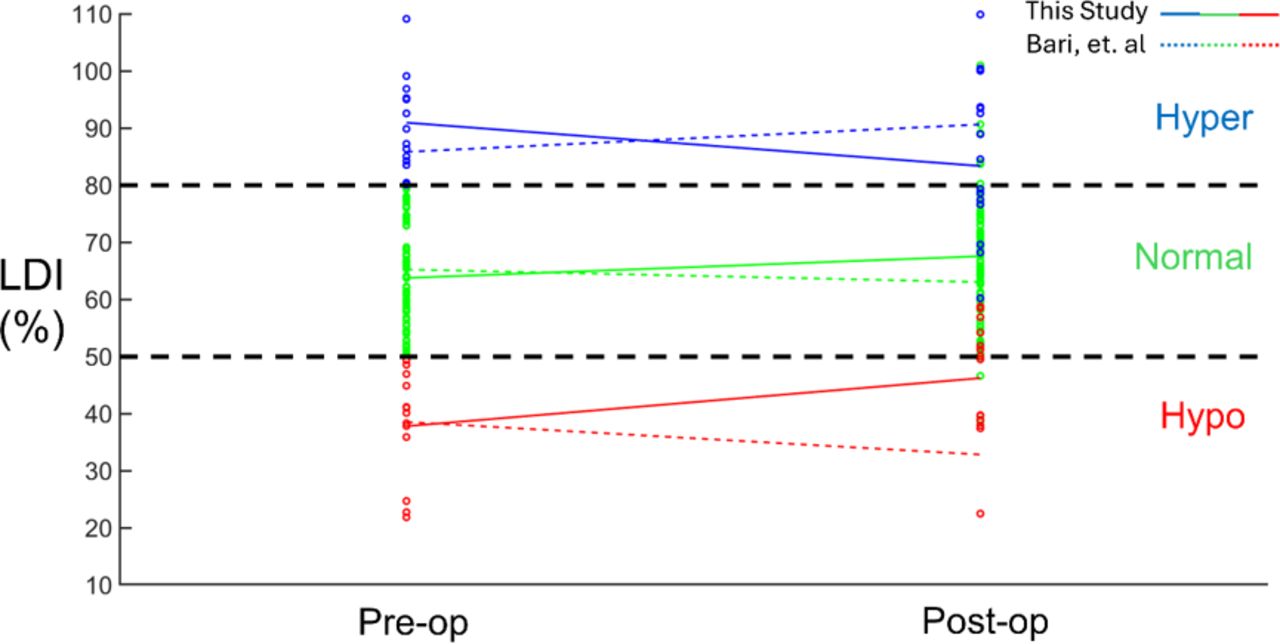
Across 111 short fusion patients with aprevo® at L4-L5, L5-S1, or L4-S1 levels, 50% of the patients in the hyper LDI group and 43% of patients in the hypo LDI group improved to a normal range, reducing the risk of adjacent segment degeneration requiring reoperation. These outcomes compare favorably to previously published studies in which patients with abnormal LDI classifications generally remained outside the normal range.4
Improved Alignment in Complex Adult Deformity:
Compared with the ISSG CADS cohort from a previously published study, utilization of aprevo® resulted in a significant improvement in achieving PI-LL <5° of plan (n = 65) (P = 0.046) and a significant reduction in cases with PI-LL >15° of plan (P = 0.012).5

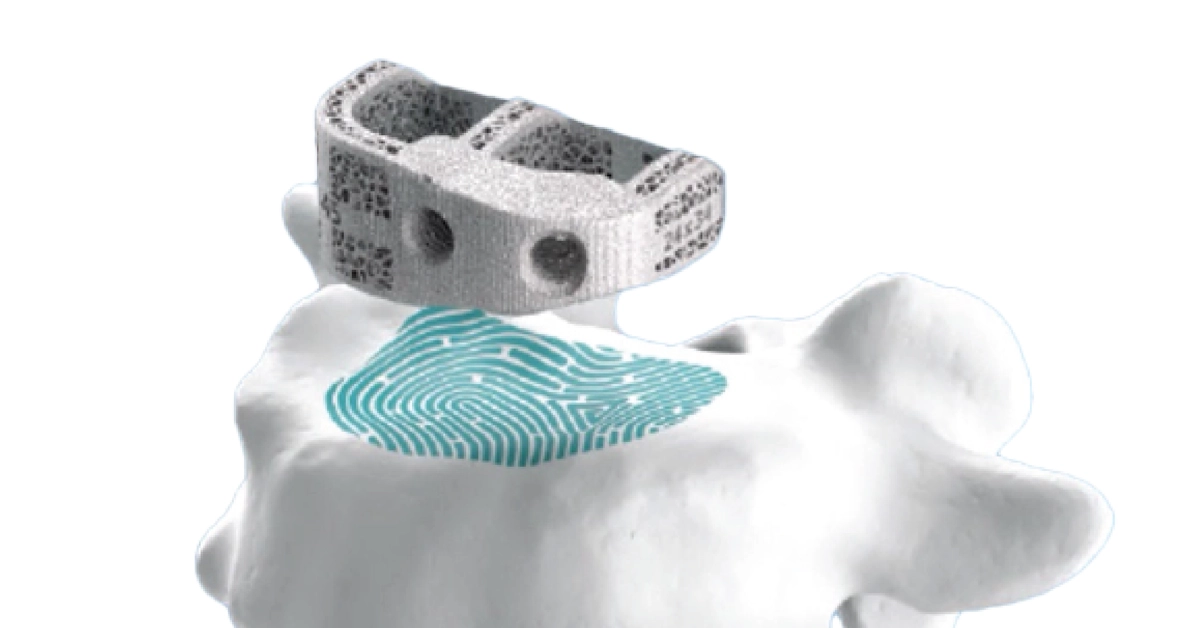
Predictable Graft Contact:
At 1-year follow-up on CT, aprevo® devices showed 94% average vertebral endplate contact (n = 15).6
Subsidence Mitigation:
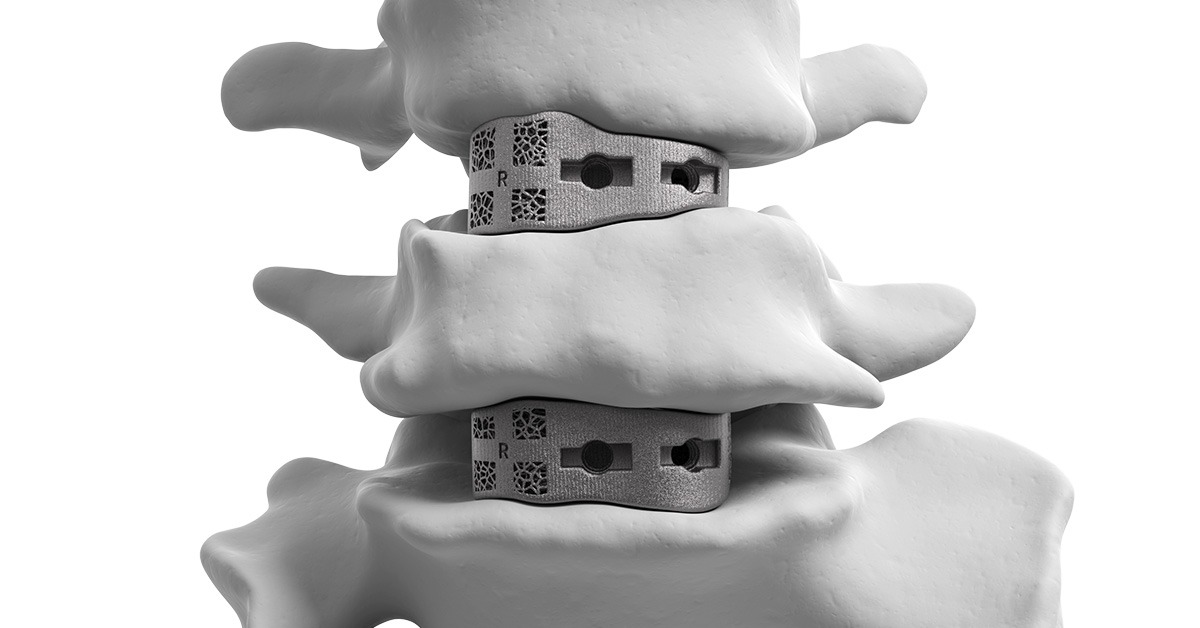
At 1-year follow-up on CT, 96% of aprevo® devices showed zero subsidence (n = 15).6
Biomechanical studies have shown that endplate matched implants provide:
• 28% decrease in posterior rod stress7
• 50x increase in contact area8
• 30% reduction in stress concentration on the endplate8
aprevo® Lumbar Implant Registry with 2-year Data

References:
- Smith JS, Yen C-P, Kent R, et al. Personalized spine surgery in adult deformity: reoperation rates and mechanical complications following customized planning and interbody implant use. Global Spine J. 2025;0(0). doi:10.1177/21925682251409696
- Osorio JA, Ames CP, Clark A, et al. COMPASS study planned versus achieved distal lumbar lordosis, patient-reported outcomes, and revisions after 1-2 level fusions with personalized interbody devices. Poster No. 3065. Presented at the Congress of Neurological Surgeons (CNS) Annual Meeting; 2025.
- Sadrameli SS, Blaskiewicz DJ, Asghar J, et al. Predictability in achieving target intervertebral lordosis using personalized interbody implants. Int J Spine Surg. 2024;18(S1):S16-S23. doi:10.14444/8637
- Mullin JP, Asghar J, Patel AI, et al. Changes in alignment at untreated vertebral levels following short-segment fusion using personalized interbody cages: leveraging personalized medicine to reduce the risk of reoperation. Int J of Spine Sur. 2024 Aug 30;18(S1):S32-S40. doi:10.14444/8639
- Smith JS, Mundis GM, Osorio JA, et al. Analysis of personalized interbody implants in the surgical treatment of adult spinal deformity. Global Spine J. 2025;15(2):930-939. Epub 2023 Nov 21. doi:10.1177/21925682231216926
- Ames CP, Smith JS, Nicolau RJ, et al. Tomographic assessment of fusion rate, implant-endplate contact area, subsidence, and alignment with lumbar personalized interbody implants at 1-year follow-up. Int J of Spine Surg. 2024; 18(Suppl 1):S41-S49. doi:10.14444/8640
- Patel R. Does patient-specific implant design reduce subsidence risk in lumbar interbody fusion? A bottom-up analysis of methods to reduce vertebral endplate stress. University of Colorado Denver; 2018.
- Chatham LS, Patel VV, Yakacki CM, Carpenter RD. Interbody spacer material properties and design conformity for reducing subsidence during lumbar interbody fusion. J Biomech Eng. 2017;139(5):051005. doi:10.1115/1.4036312